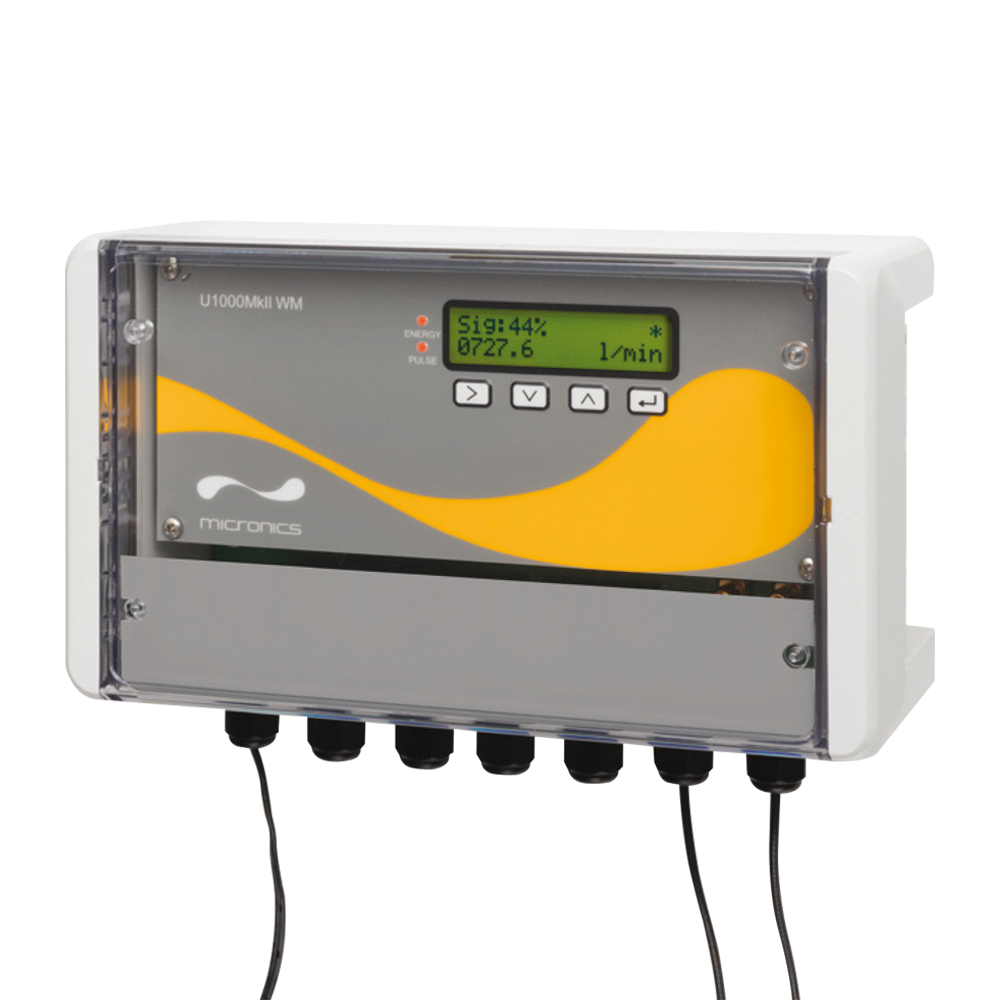
Overview
THE ULTRASONIC FLOW MEASURING METHOD PROVIDES MANY ADVANTAGES
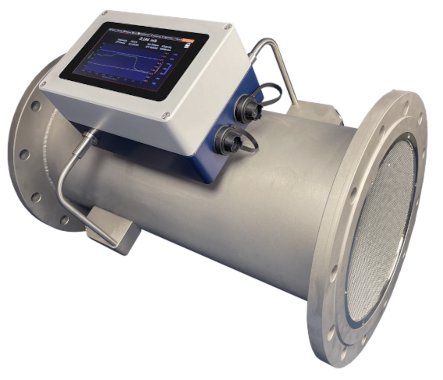
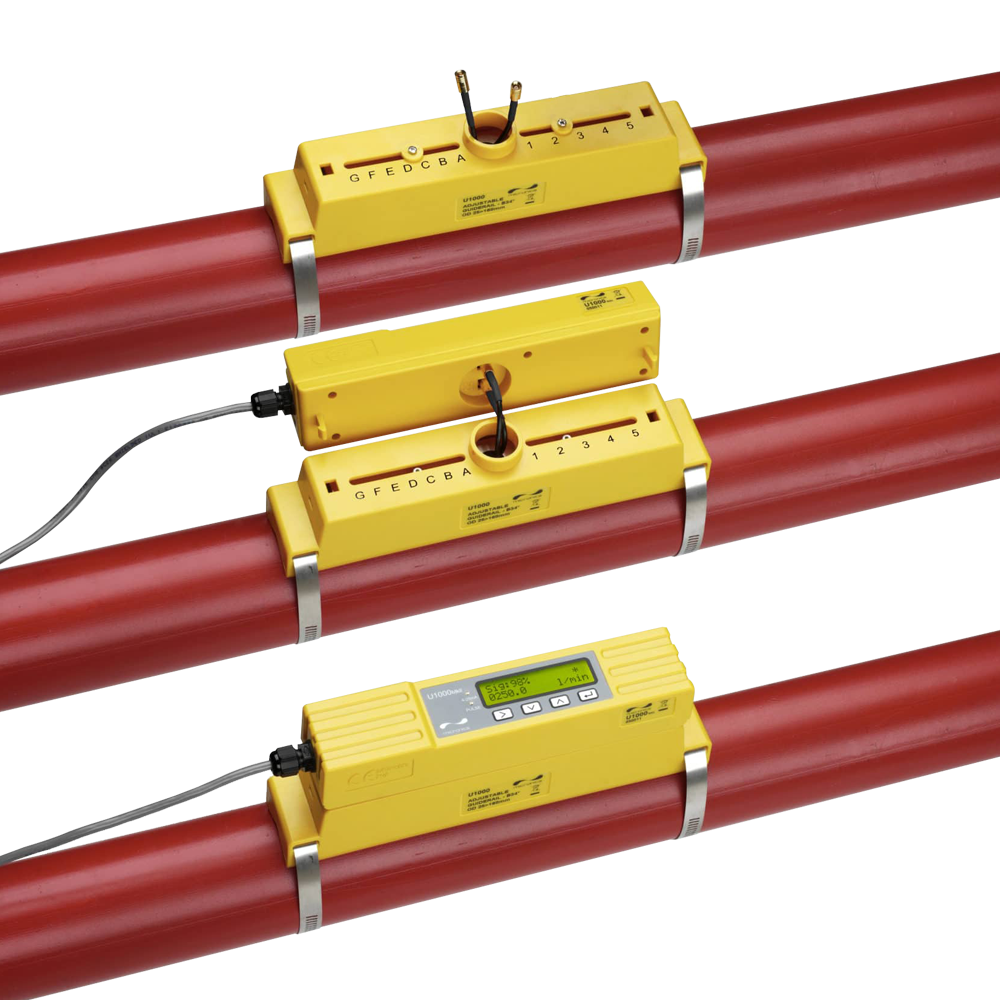
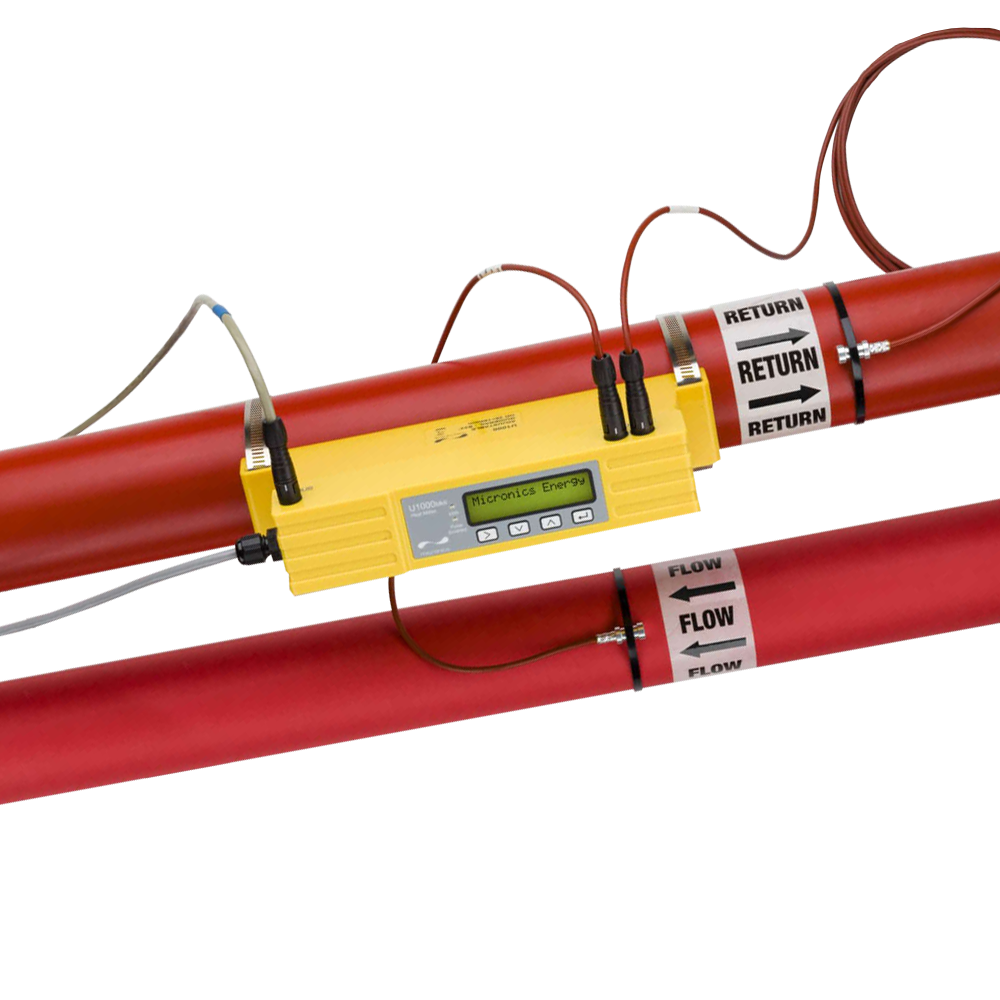
These ultrasonic flowmeters have many benefits, for example, the measuring instruments produce accurate results in just a matter of minutes, they are easy to install and operate, there is no process interruption and there are no pipe restrictions. As a result, there is no pressure loss and therefore, time and cost savings as the ultrasonic flow meter is easy to install on the pipe.
Device-related
Measurement-related
Cost
resulting in an excellent cost-benefit ratio.
Flow rate measurement in liquid-filled pipes, HVAC systems, pump and technical system verification, boiler testing, leak detection, filter sizing, fire and hydraulic systems.
Non-contact measurement from the outside means that the ultrasonic flow measuring instrument is indispensable in many branches of industry, such as, water management, building services, energy sector, chemical and pharmaceutical, food technology and petrochemical.
Ultrasonic flow measuring instruments can be used in the following industries:
Chemical Aggressive, toxic, high-viscosity and non-conductive fluids
Petrochemical Flow measurement of various intermediate or end products, e.g. tar, bitumen
Offshore Industry Measuring liquid hydrocarbon
Power plants Operational measuring of coolants and boiler feed water, condensate
Pharmaceutical, Semiconductor Industry Ultrapure liquids / fluids
Beverage industry Hygienic measuring in bottling plants or tank installations
Water / sewage Measuring in large pipes and underground pipes and ducts
Plant engineering and construction Any flow rate measurement, e.g. leakage detection in hydraulic plants, pump verification
Aerospace Testing hydraulic, supply and cooling systems
These are just some examples of typical mediums in various branches of industry.
Other mediums suited for this principle of measurement: de-mineralized water, drinking water, river water, water-glycol mixtures, hydraulic oil, diesel, fuel oil, petroleum products, etc.
Technical Data of the ultrasonic flow measuring instrument: